
7 hr 30 min
Materuni Waterfalls, Coffee Experience & Chemka Hot Springs
Explore a traditional Chagga village, hike to a stunning 90-meter waterfall, and unwind in turquoise thermal springs
Reserve
Hand-picked by our editors — only the best 5 experiences from 12 reviewed.
Verified partners for every tour, free cancellation where available, and instant confirmation on every booking.
7 hr 30 min
Explore a traditional Chagga village, hike to a stunning 90-meter waterfall, and unwind in turquoise thermal springs
Reserve
11 hr
Customize your day exploring waterfalls, volcanic springs, and traditional coffee-making in Tanzania
Reserve
13 hr
Discover cascading falls, geothermal pools, and traditional coffee culture near Mount Kilimanjaro
ReservePrices from verified partners. Availability updates in real time at checkout. Free cancellation policies apply where shown.
The landmarks, rooms, and views travelers on this tour remember — all visible on a single visit.
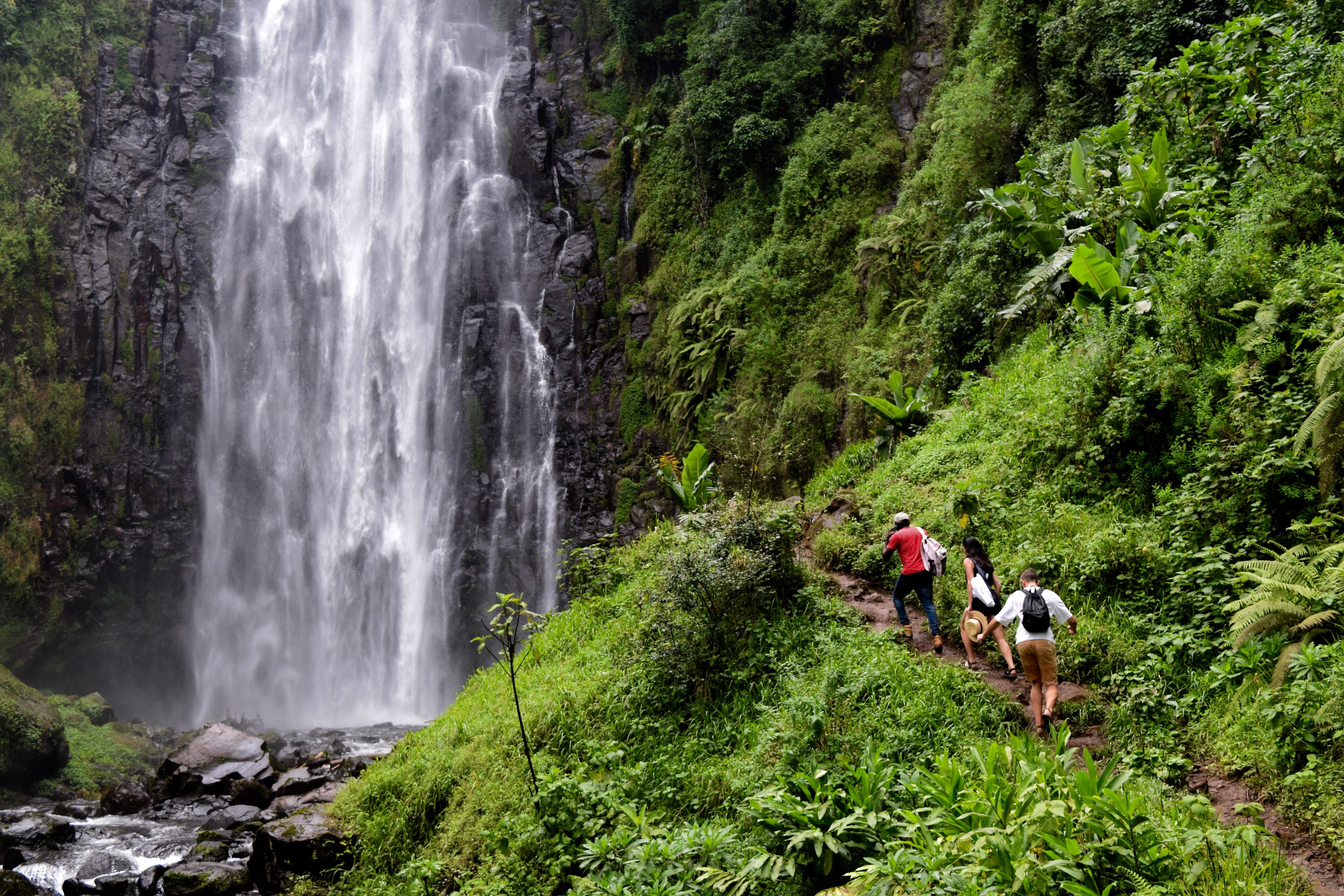
An impressive 80-meter cascade falling into a refreshing natural pool.
Learn the traditional bean-to-cup process of organic Arabica coffee production.
Wander through banana and avocado farms along the slopes of Kilimanjaro.
A deep, cool basin at the foot of the falls perfect for a post-hike dip.
Participate in traditional grinding, roasting, and brewing with local Chagga hosts.
They offer distinct perspectives, as the materuni waterfall and coffee plantation provides a deep dive into local Chagga traditions, while the Marangu route offers a genuine glimpse of high-altitude mountain trekking. Travelers seeking a relaxed, immersive day often prefer the coffee-focused excursion, whereas those curious about Kilimanjaro's ascent favor the official park trail.
| Feature | Top pick Materuni Waterfall | Marangu Route Day Hike |
|---|---|---|
Experience Type |
Cultural and Nature Tour | |
Primary Focus |
Chagga Village and Coffee | |
Difficulty |
Moderate | |
Permit/Park Fees |
15 USD (summer) | |
Cultural Interaction |
Direct community engagement | |
Best For |
Coffee lovers and families | |
| See tickets → |
Verdict: Choose the materuni waterfall and coffee plantation tours for an intimate cultural experience, or select the Marangu route if you prefer a classic Kilimanjaro alpine trail atmosphere with official materuni waterfall and coffee plantation tickets often available as part of broader regional travel packages.
Choose your ticket, select your date, and reserve in under two minutes. Secure checkout handled by our verified partner.
Instant confirmation by email, with a mobile voucher you can save offline. No printing, no queuing at a collection desk.
Arrive at the entrance, show your voucher on your phone, and walk in. Most tickets include priority or skip-the-line access.
Practical details for your visit straight from our verified partners — hours, access, rules, and how to get there.
Wear sturdy hiking boots for the sometimes muddy trails and dress in layers for changing mountain temperatures. Modest attire is appreciated when visiting local Chagga homes.
Keep belongings minimal. There are no formal locker facilities at the Materuni Village office, so carry a daypack for your essentials.
Photography is encouraged throughout the materuni waterfall and coffee plantation. Please ask permission before photographing local residents or private family homes.
The trail to the waterfall involves moderate walking on natural, uneven village paths. It is not suitable for strollers or wheelchairs.
The materuni waterfall and coffee plantation is suitable for active families. Children should be supervised on the forest trails and near the waterfall base.
Traditional Chagga lunches are often included in materuni waterfall and coffee plantation tours. Drinking water is provided by most operators.
Best time to go, insider tips, nearby landmarks, and the cancellation fine print — flip through to skim what matters to you.
Flexible, no hidden fees.
Free cancellation is typically available up to 24 hours before the activity starts. Late cancellations or non-arrival are generally non-refundable regarding the 15 USD conservation and village entrance fee per person.
Materuni village sits at 1,800 meters on Kilimanjaro's southern slopes, fifteen kilometers north of Moshi town. The waterfall that draws visitors here drops eighty meters into a narrow gorge carved through volcanic rock over millennia. Chagga farmers settled these ridges in the eighteenth century, planting arabica seedlings brought from Ethiopia and building irrigation furrows that still channel meltwater from the mountain's glaciers. By the early twentieth century, Kilimanjaro coffee had earned a reputation in European markets for its bright acidity and citrus notes, a profile shaped by altitude and the region's volcanic soil. The materuni waterfall and coffee plantation experience emerged in the 1990s when village elders formalized a conservation fee system to protect the forest and waterfall from logging and unregulated tourism. Revenue funds primary schools, health clinics, and trail maintenance. The model has since been replicated across Tanzania's northern highlands. Visitors pay fifteen dollars per person — a conservation and village entrance fee that supports this community-led stewardship. The forest around the falls shelters colobus monkeys, crowned eagles, and over seventy species of orchids catalogued by botanists from the University of Dar es Salaam. Coffee processing here remains almost entirely manual. Farmers hull beans with wooden mortars, a technique unchanged for generations. Roasting happens over open wood fires in shallow pans; women stir the beans continuously until they crack and darken. The grounds are pounded with a long pole in a cylindrical mortar while singers chant call-and-response songs in Kichagga. This method produces a coarse grind suited to boiling rather than filtering. Tasting sessions pair fresh-roasted coffee with ndizi na nyama — plantains and meat stew — served on banana leaves. Materuni's location between Kilimanjaro National Park and the Pangani River basin makes it a stopover for trekkers acclimatizing before summit attempts. The village has resisted pressure to build lodges, instead directing visitors to homestays where families host one or two guests. This keeps tourism income distributed across dozens of households rather than concentrated in a single operator. The trail to the waterfall ascends through terraced fields of maize, beans, and coffee, crossing streams on log bridges and passing homesteads where children sell passion fruit and avocados from roadside stands. The hike takes forty-five minutes at a steady pace, longer if you stop to photograph the ridgeline views south toward the Pare Mountains.
"Revenue funds primary schools, health clinics, and trail maintenance — a community-led stewardship model replicated across Tanzania's northern highlands."
A step-by-step walkthrough of the visit — what you'll see, how long each stage takes, and the details that matter.
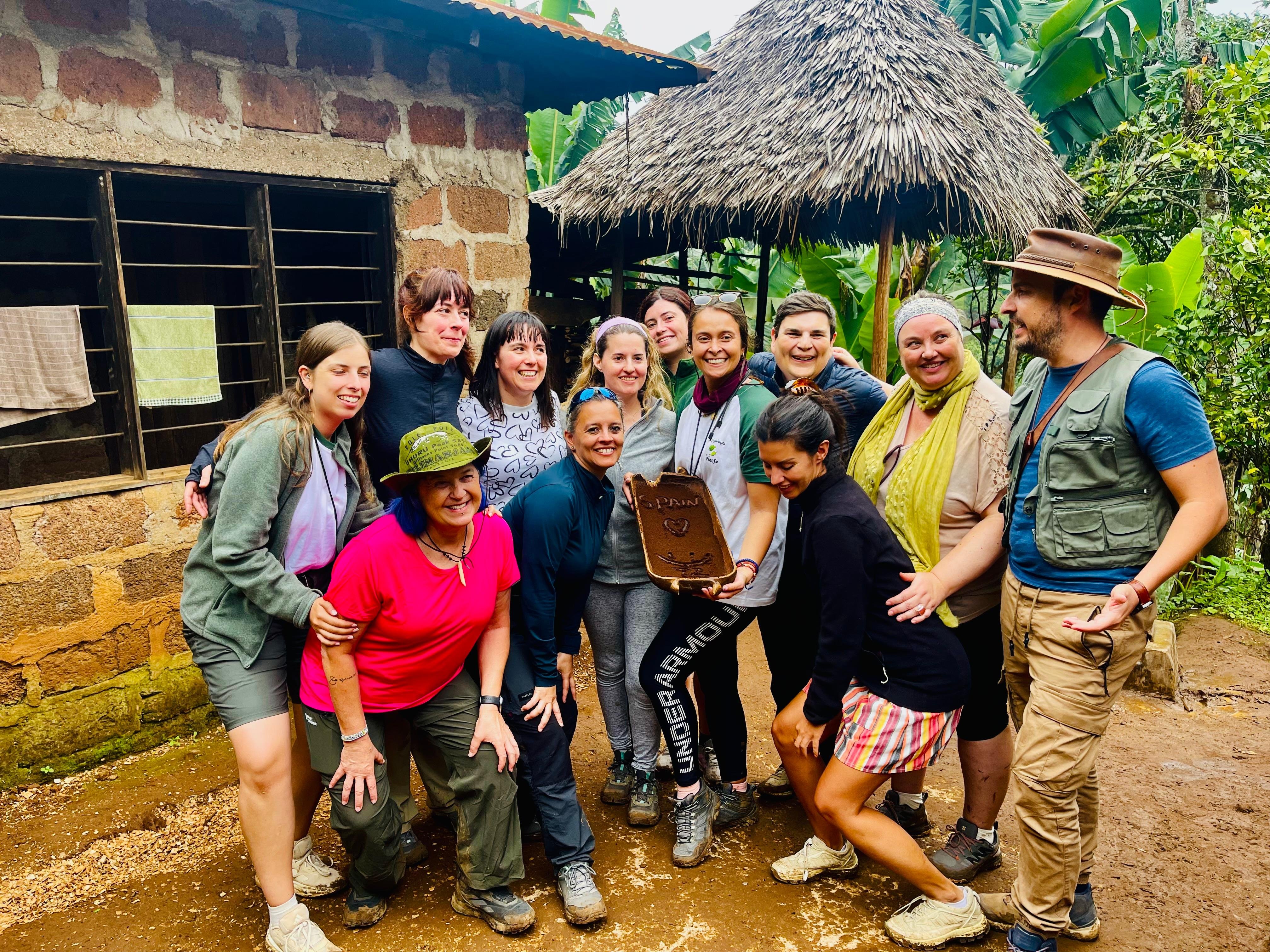
You arrive at Materuni village by eight in the morning, when mist still clings to the coffee terraces and the air smells of wood smoke. Your guide meets you at the trailhead near the primary school, where the conservation fee is collected. The path climbs through fields where farmers are already at work, hoeing weeds between coffee shrubs. You cross a stream on a log bridge, stepping carefully on the damp bark. The trail enters the forest after twenty minutes. Giant ferns arch over the path. You hear the waterfall before you see it — a low rumble that grows louder as you descend into the gorge. The viewing platform stands ten meters from the base of the eighty-meter cascade. Spray drifts across the rocks. Some visitors wade into the pool, others sit on boulders and eat the bananas they bought from children along the trail. Back in the village, you join a coffee demonstration at a family homestead. The farmer spreads green beans on a woven mat, then shows you how to hull them by pounding with a wooden pestle. You try it yourself — the rhythm is harder to maintain than it looks. Roasting happens next, in a flat pan over a fire. The beans darken and crack. Once cooled, they go into the tall mortar. Three women pound in unison, singing as they work. You taste the result from a clay cup, bitter and strong, paired with slices of fried plantain.
The attraction is open Monday to Friday from 08:00–18:00 and Saturday to Sunday from 09:30–16:00.
The entrance fee is 15 USD per person, which covers conservation and village entrance.
We recommend a best arrival window of 08:00–10:00 to avoid mid-day heat and late afternoon cloud cover.
Yes, there is a natural pool at the base of the waterfall where swimming is popular after the hike.
Booking materuni waterfall and coffee plantation tickets through a reputable operator is recommended to manage logistics and village registration.
Yes, it is suitable for families and active children, though the trail requires moderate physical effort.
Wear sturdy, comfortable hiking shoes and dress for tropical rainforest weather, which can change quickly.
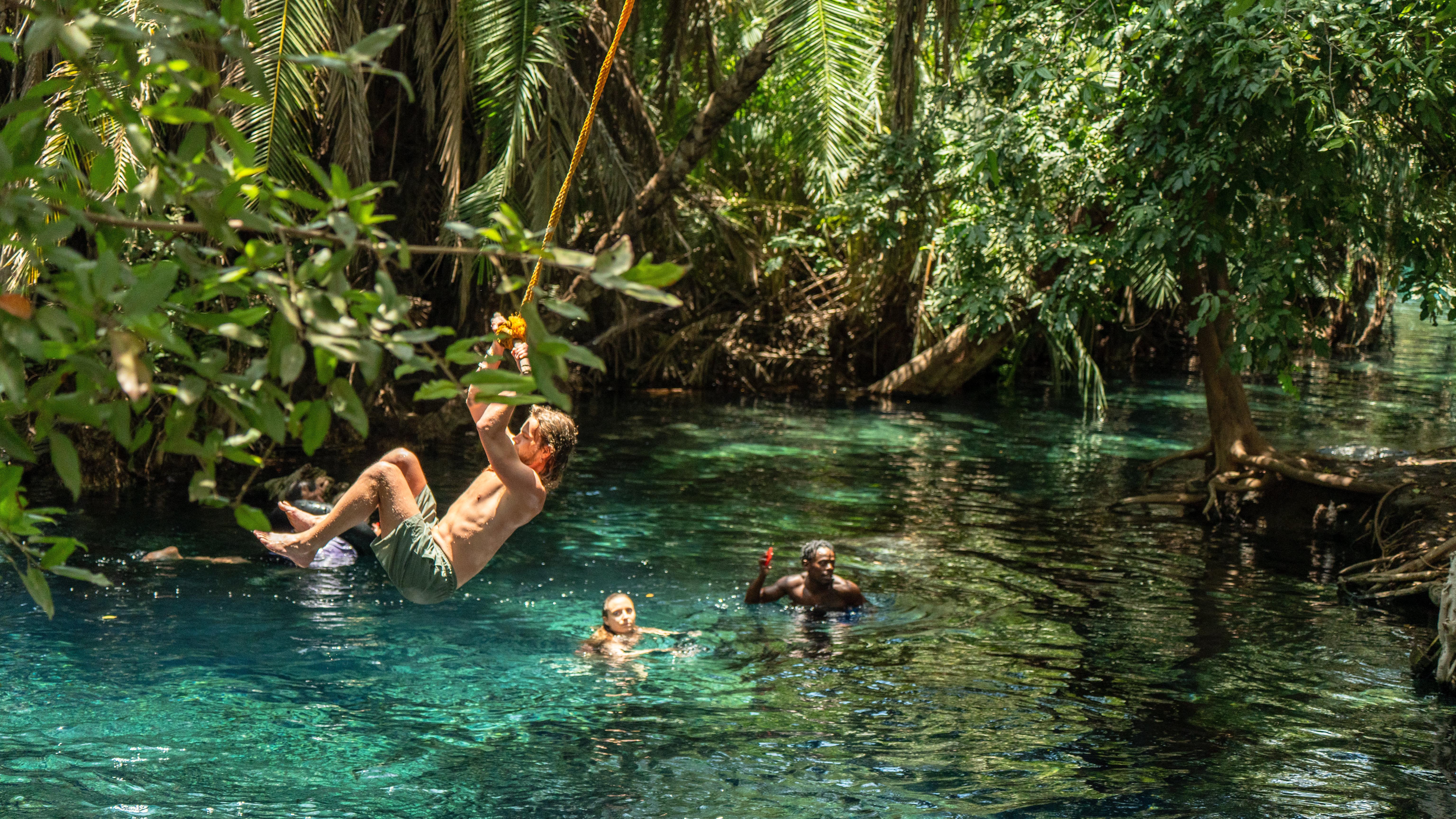
Yes, many visitors combine their trip with nearby landmarks like the Chemka Hot Springs.
Local dala dala buses from Moshi can reach the village, though private transfers are often preferred for these tours.