Waterfall Basin
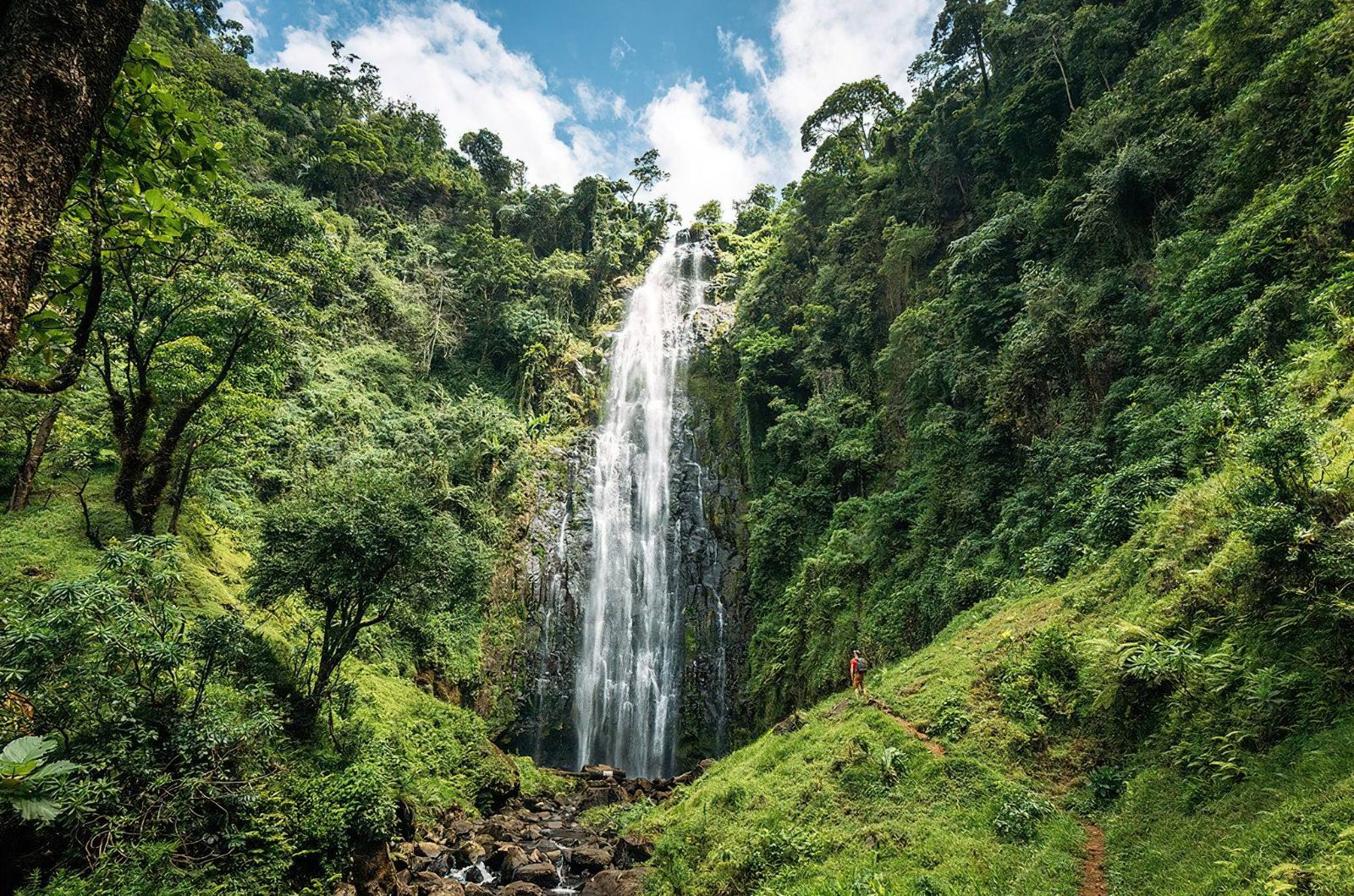
Early morning for soft lighting
Position yourself at the base of the falls to capture the scale of the water against the dark rock wall.

The 80-meter cascade at Materuni and the hands-on coffee experience offer two distinct photographic subjects within a single morning excursion. This guide identifies the viewpoints that deliver publishable shots and the conditions that make or break them.
Quick answer
Materuni waterfalls and coffee tour photos benefit most from morning light between 08:30 and 10:30, when the sun illuminates the cascade without harsh shadows and the coffee demonstration takes place in soft natural light. The waterfall's base platform provides the classic wide-angle composition, while the roasting station and grinding stone offer intimate documentary frames during the coffee ceremony. Mist from the falls requires lens protection and can obscure long-exposure attempts after mid-morning.
The waterfall drops 80 meters into a forested basin where mist hangs in the air and ferns frame the edges of every composition. Photographers working at Materuni face two technical challenges: the high dynamic range between shaded foreground and bright water, and the variable mist that obscures detail as the morning progresses. The trail descends through coffee plantations and banana groves for roughly 40 minutes before reaching the viewing platform at the base of the falls, where most visitors capture their wide-angle establishing shots. A secondary vantage point 15 meters upstream offers a three-quarter profile of the cascade with less foot traffic. The coffee tour unfolds in the village clearing where Chagga families roast, grind, and brew Arabica beans using methods unchanged for generations. Documentary photographers find their strongest material here: weathered hands feeding green beans into the roasting pan, the rhythmic motion of the wooden grinding pole, and the concentrated expressions of participants as they learn each step. Natural light filters through the banana-leaf canopy, creating soft contrast that flatters skin tones without additional diffusion. The sequence from raw cherry to brewed cup takes approximately 90 minutes and provides a narrative arc for photo essays. Wide-angle lenses in the 16-35mm range capture the full height of the waterfall and the surrounding forest context, while a 24-70mm or 50mm prime handles the coffee demonstration without requiring intrusive positioning. Polarizing filters cut glare from wet rocks and leaves but reduce light by two stops in the shaded basin. Tripods prove impractical on the narrow trail and are unnecessary in good morning light; handheld shooting at 1/250 second freezes both water motion and coffee-grinding action. The mist intensifies after 11:00, requiring lens cloths and weather-sealed bodies for afternoon work. Materuni waterfalls and coffee tour photos work best as paired subjects rather than isolated shots. The vertical drama of the cascade balances the intimate horizontals of coffee processing, and the blue-green tones of the water contrast with the warm browns of roasted beans and wooden tools. Visitors who treat the excursion as two separate photographic assignments rather than a single waterfall visit return with more versatile portfolios. The village context and agricultural landscape provide transition shots that link the two main subjects into a cohesive visual story about place and practice.
“The 80-meter cascade and the hands-on coffee ritual offer contrasting subjects that balance vertical drama with intimate documentary detail.”
Early morning for soft lighting
Position yourself at the base of the falls to capture the scale of the water against the dark rock wall.
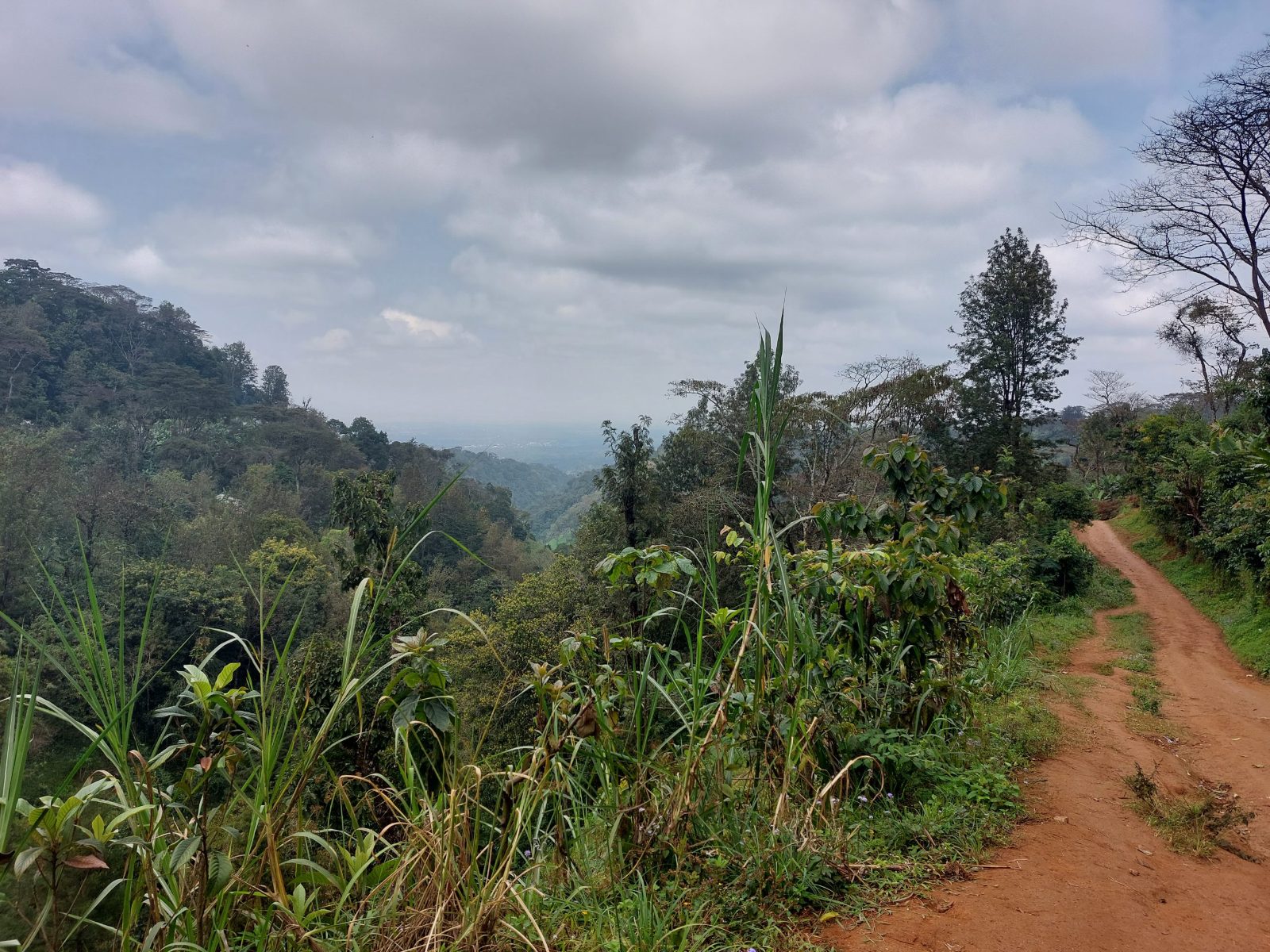
Mid-morning before clouds form
Capture the dense foliage and coffee trees with the backdrop of Mount Kilimanjaro foothills.
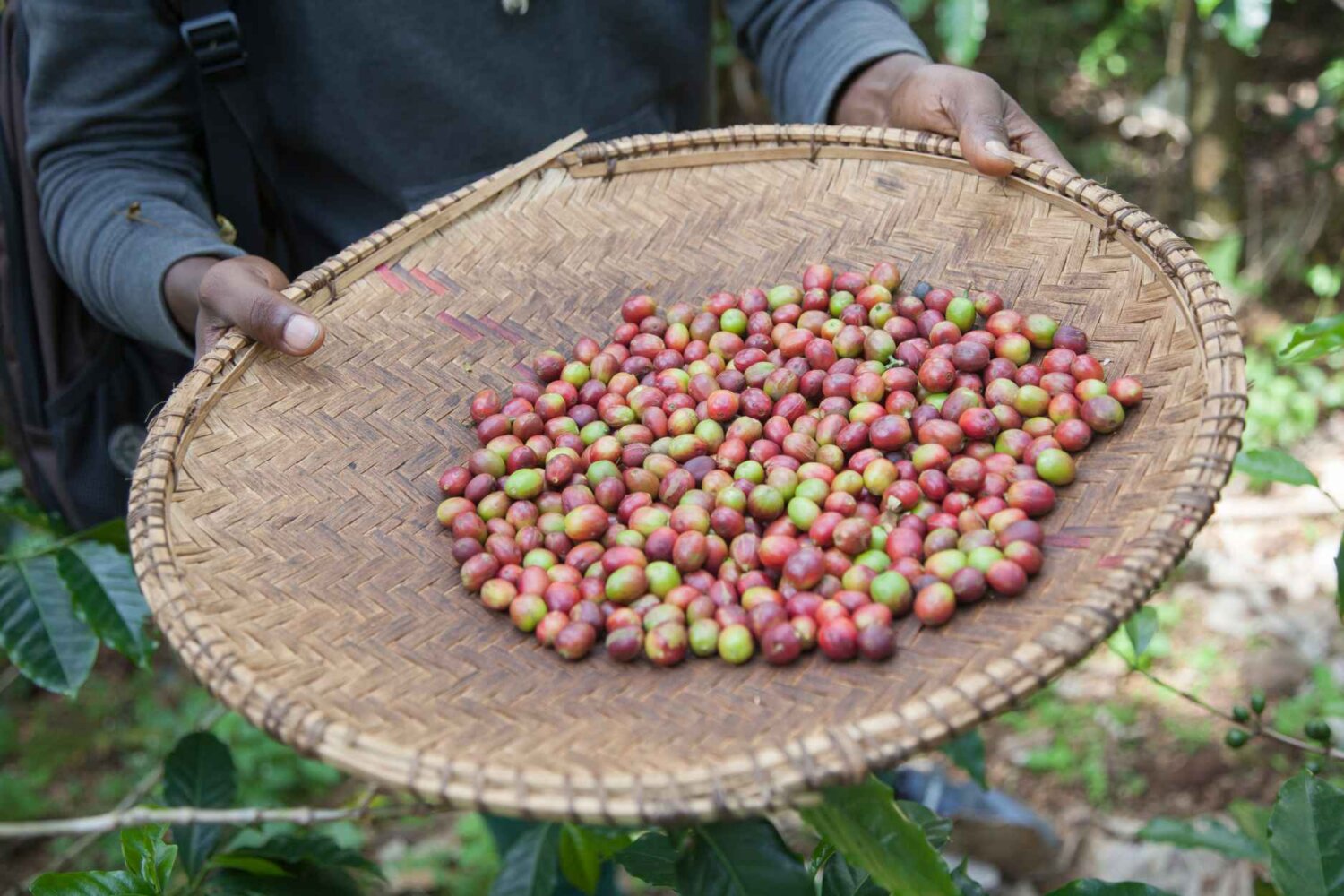
Mid-day when light enters structure
Document the coffee grinding and drying process in the open-air wooden structures.
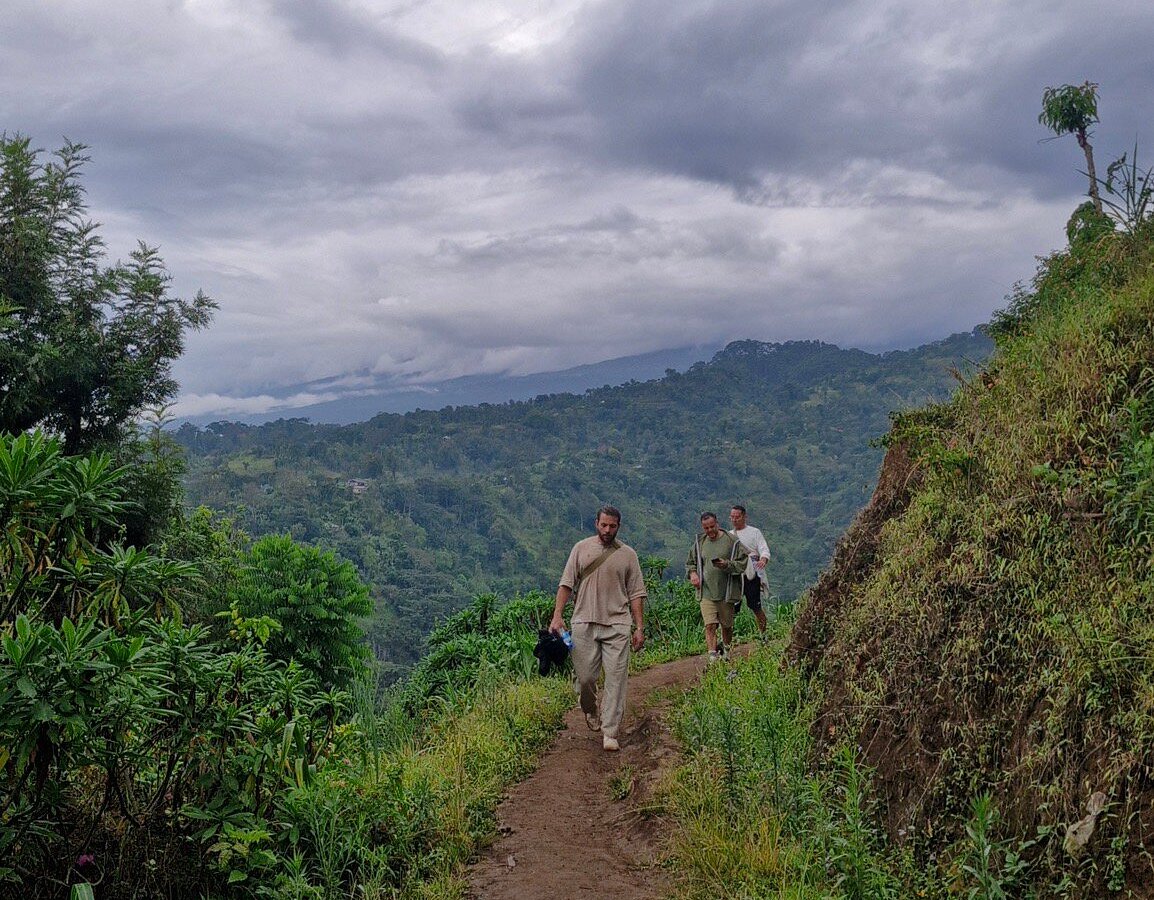
During the hike uphill
Photograph the path winding through the Chagga village with banana groves and vibrant flora.
The best arrival window is 08:00–09:00 to capture clear natural lighting for photography before afternoon cloud cover or heat sets in. Starting early ensures optimal visibility at the waterfall and sufficient time for the coffee tour.
Clear skies, 18°C–25°C. These months provide the most consistent sunshine for clear photos of the falls and coffee plantations.
Variable rain, 16°C–23°C. Frequent cloud cover can obscure views, though vegetation appears lush and vibrant.
—
Mid-week mornings offer the quietest atmosphere, providing fewer obstructions in your photographs and more space at the waterfall base.
Verdict: The best time for photography is weekday mornings between June and October, arriving at the 08:00–09:00 window.
Materuni Waterfalls and the associated coffee tours are open seven days a week to accommodate visitors. The schedule varies between weekdays and weekends.
Materuni Village is situated in the Kilimanjaro Region of Tanzania. The most reliable way to reach the village is by private vehicle or hired taxi from Moshi.
Drive from Moshi via the A23 and local village roads
Private taxi hire from Moshi town center
Hike from the Materuni Village entrance gate to the waterfalls
Visitors should arrive at the Materuni Village entrance between 08:00 and 09:00. This ensures adequate time for registration and the hike before the afternoon heat.
This itinerary suits visitors who want to experience both the cultural coffee process and the waterfall hike in a single morning-to-afternoon visit. The complete tour typically takes 5–6 hours, allowing time for photography at each stage.
Start with the traditional coffee preparation process in the village—roasting, grinding, and brewing with local guides. This takes roughly 60–90 minutes and works best in cooler morning temperatures.
The trail to the 80-meter waterfall takes 30–45 minutes through banana and coffee plantations. Pace yourself on the uneven terrain and save camera battery for the base of the falls.
Spend 30–45 minutes at the waterfall base where mist creates natural diffusion for close-up shots. The pool is swimmable if you want water-level perspectives.
The return trek takes about 30 minutes. Many tours include a village lunch with views over the coffee farms, a good transition before departure.
Everything you need to know about materuni waterfalls and coffee tour photos
Photography is encouraged throughout the village and at the waterfall, making it a popular spot for visitors. You will find many opportunities for materuni waterfalls and coffee tour photos as you navigate the trail and learn about local cultivation.
The best arrival window is 08:00–09:00, which allows time for the hike, coffee tour, and lunch before the afternoon heat. An early start is ideal for capturing clear materuni waterfalls and coffee tour photos before the clouds roll in.
Yes, the experience typically combines the nature hike to the falls with an educational look at traditional coffee processing. This holistic approach ensures you get both nature views and cultural insight during your visit.
Bring comfortable hiking shoes, a rain jacket, and plenty of water for the trek. Since the terrain can be muddy, preparing your gear in advance will help you focus on your materuni waterfalls and coffee tour photos.
The trail is generally accessible to families, though it involves walking on uneven paths through the rainforest. Please assess the stamina of younger visitors before starting the hike to the base of the cascade.
The site is located in Materuni Village, Kilimanjaro Region, Tanzania. You can reach the starting point by vehicle before embarking on the trek that leads to the primary viewing areas.